USJ-LEB-AFEE International Academy (ULAIA)
for Lebanese and Middle Eastern Studies
Fostering In-Depth Knowledge and Diplomatic Expertise on Lebanon and the Middle East
EXECUTIVE EDUCATION
AFEE in partnership with Saint Joseph University of Beirut (USJ)
USJ-LEB-AFEE
International Academy
(ULAIA)
for Lebanese and Middle Eastern Studies
Fostering In-Depth Knowledge and Diplomatic Expertise on Lebanon and the Middle East
Marketing
Strategy
The success of the USJ-LEB-AFEE International Academy (ULAIA) relies heavily on effective marketing strategies that target the right audience and convey the unique value of the academy’s offerings.
Here are key strategies to market the academy:
1. Target Audience Identification
- Primary Audience: Professionals in the State Department, embassies, and international business sectors; NGO and non-profit workers; journalists and media professionals; tourism and hospitality industry workers; government and policy makers; military personnel; academics and researchers; Lebanese and Middle Eastern diaspora communities; cultural enthusiasts.
- Secondary Audience: Graduate and postgraduate students pursuing degrees in international relations, Middle Eastern studies, cultural studies, and related fields.
Enrollment Information &
Course Logistics
- Timeline: Online courses begin in winter 2025
- Language of Instruction: English
- Age Requirement: Minimum 21 years old
- Participant Capacity: 30 participants per course (minimum 10)
- Cost: $2,000 per course
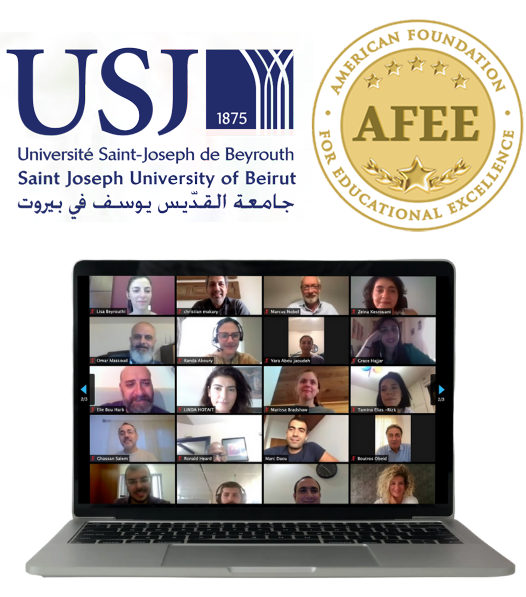
- Platform: Zoom (interactive sessions with breakout rooms and debriefings)
- Hours: 3 hours per week, from 10 AM to 1 PM NY Time; 5 to 8 PM Beirut Time
- Days: Saturdays and/or Sundays
- Course Duration: 36 hours over 12 weeks (3 months)
2. Digital Marketing
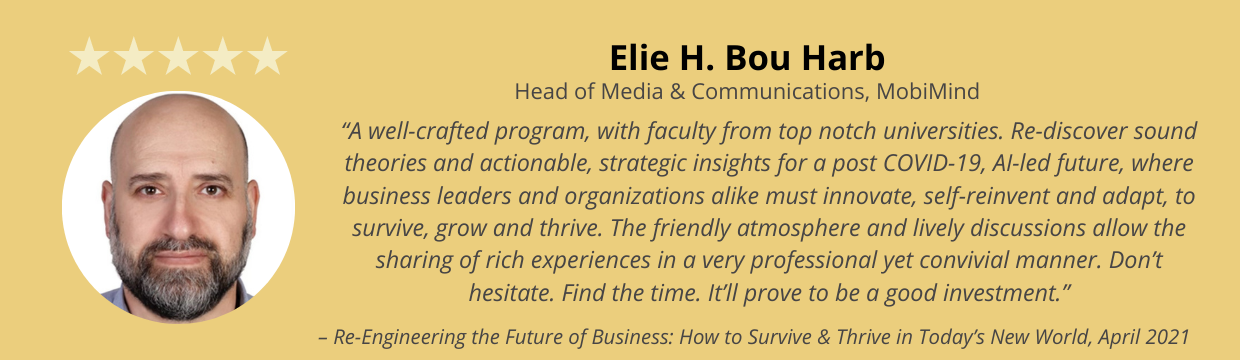
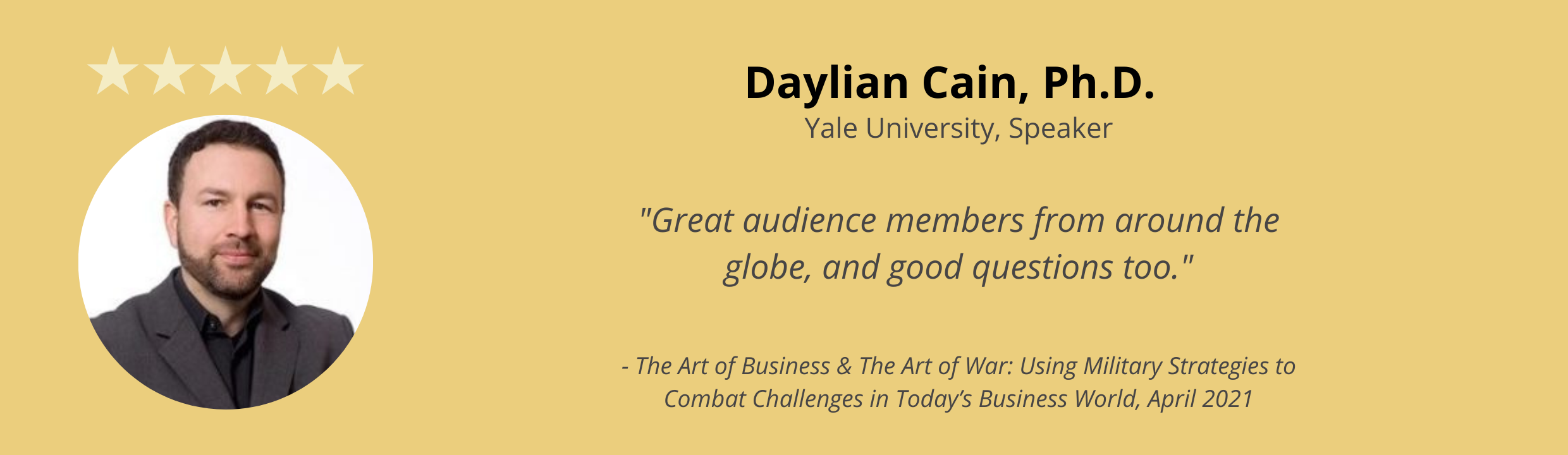
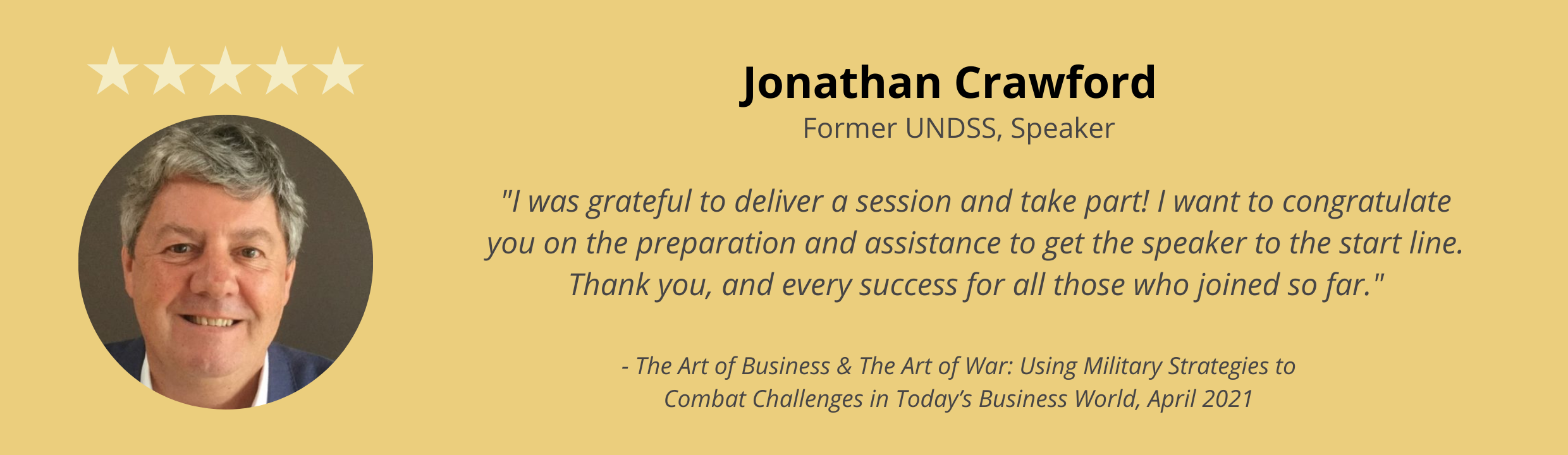
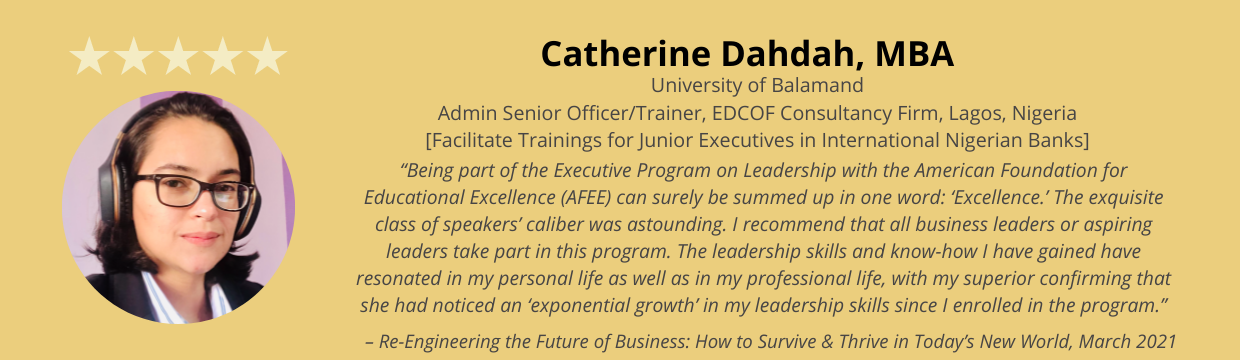
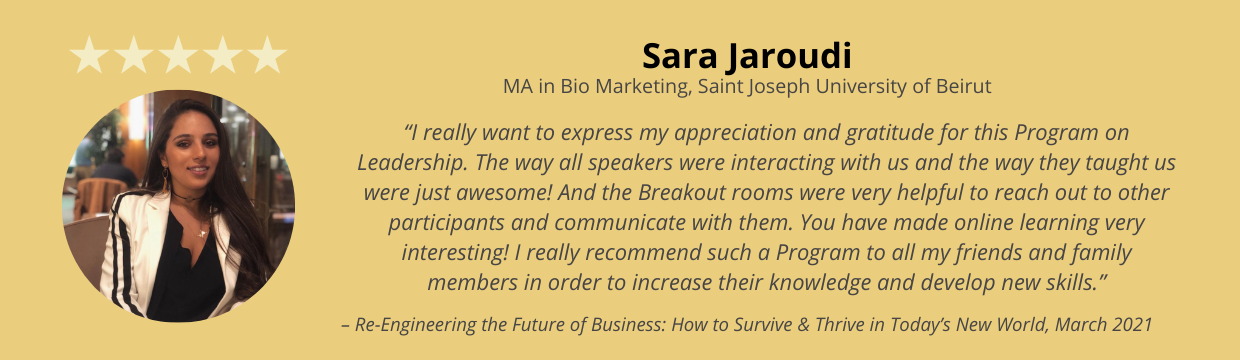
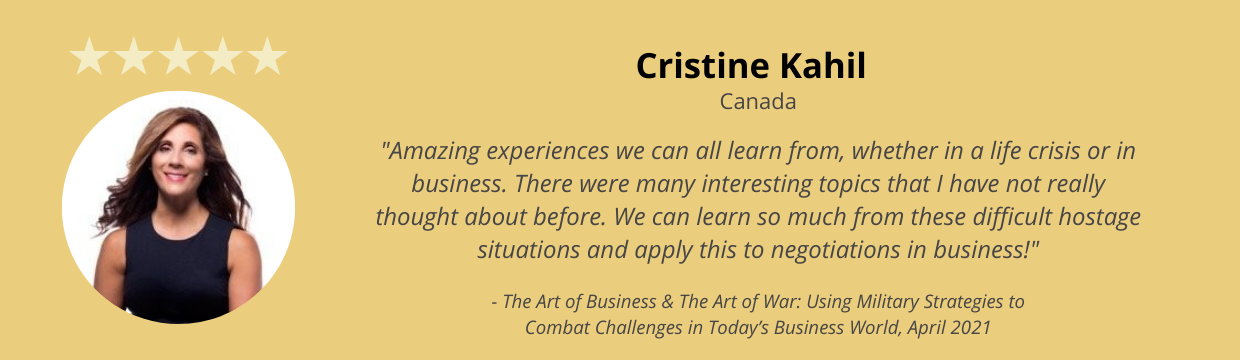
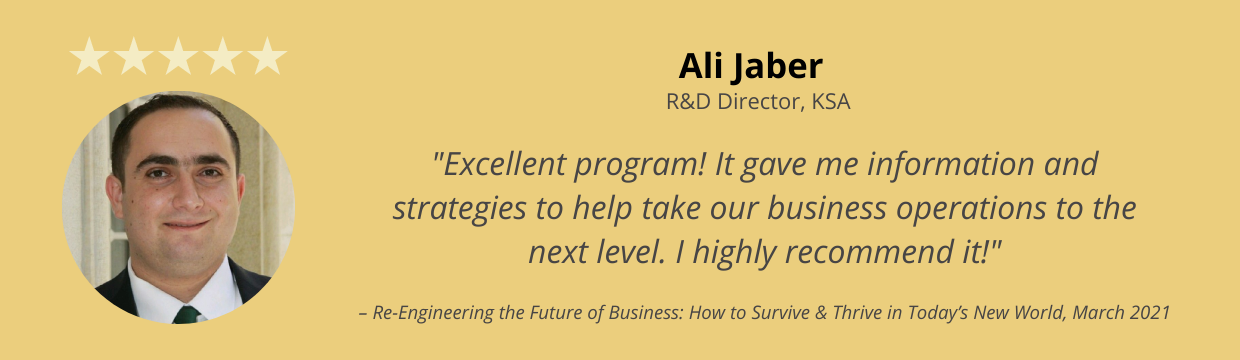
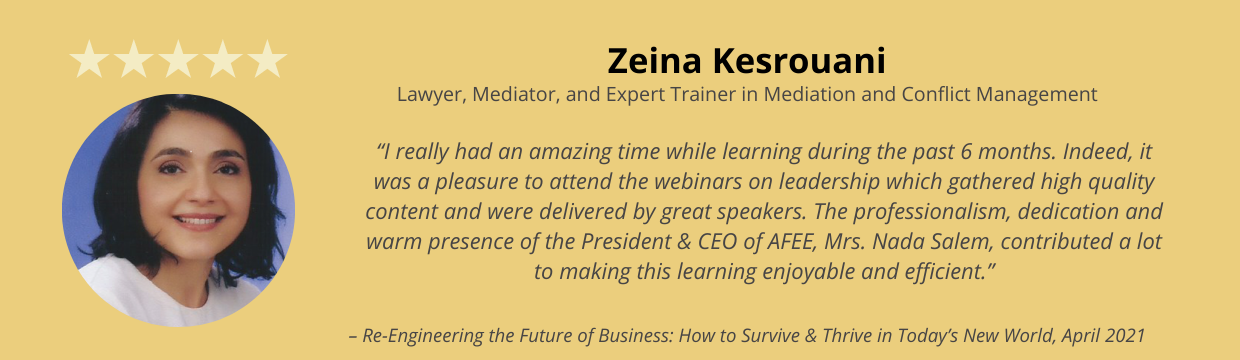
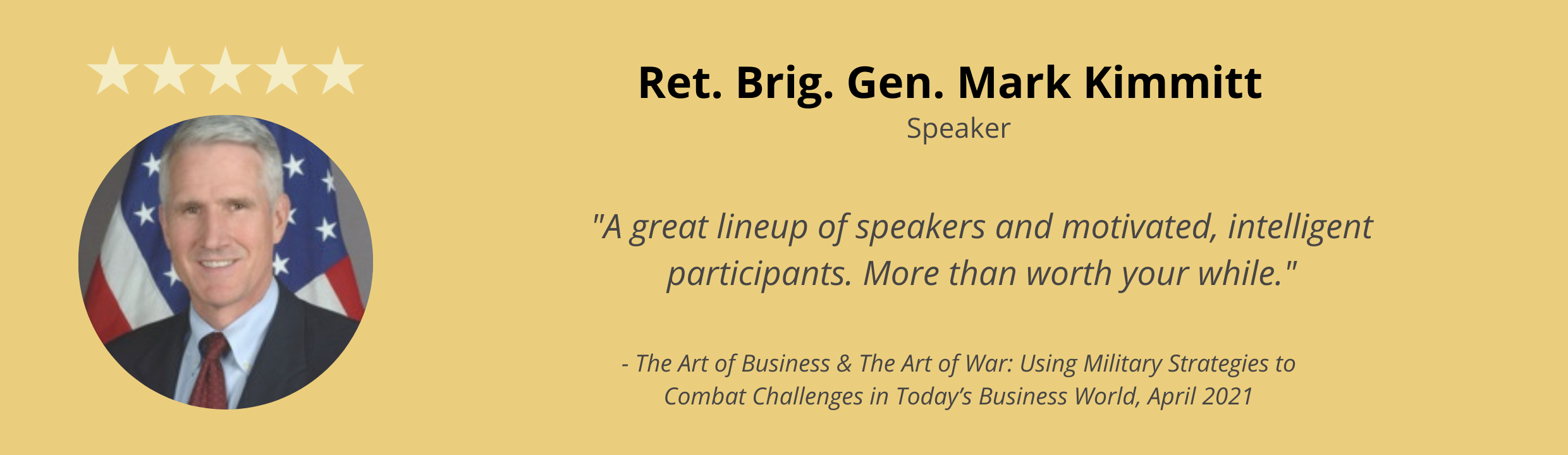
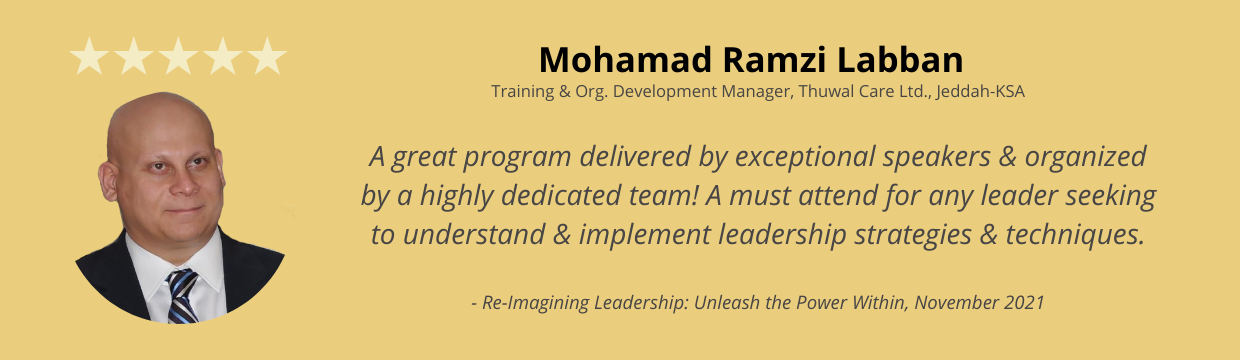
- Website: Develop a comprehensive and user-friendly website that highlights the academy’s mission, vision, course offerings, faculty, and unique value propositions. Include testimonials and success stories from past participants as soon as we have some.
- SEO (Search Engine Optimization): Optimize the website for search engines to ensure high visibility when potential participants search for related terms online.
- Content Marketing: Create a blog with articles, case studies, and white papers on relevant topics such as Lebanese and Middle Eastern cultures, languages, and history. This positions the academy as a thought leader in the field.
- Social Media: Leverage platforms like LinkedIn, Facebook, Twitter, and Instagram to engage with the target audience. Share engaging content, including course highlights, student testimonials, and faculty insights.
- Email Marketing: Build an email list through website sign-ups and social media campaigns. Send regular newsletters with updates, course information, and success stories.
3. Partnerships and Collaborations
- Institutional Partnerships: Collaborate with universities (Georgetown?), research institutions, and cultural organizations to promote the academy’s courses.
- Professional Associations: Partner with professional associations related to international relations, Middle Eastern studies, journalism, and business to reach their members.
- NGOs and Non-Profits: Work with NGOs and non-profits involved in Middle Eastern projects to promote the academy to their staff and volunteers.
4. Events and Webinars
- Webinars: Host free webinars on topics related to the academy’s courses. This can serve as a teaser to attract potential participants.
- Conferences: Participate in and sponsor conferences related to international relations, Middle Eastern studies, and global business.
- Workshops: Offer short, introductory workshops or masterclasses to provide a taste of the academy’s offerings.
- Annual Gala: Hold an annual gala to celebrate the academy's achievements, including student successes, faculty contributions, and course milestones. This event can serve as a networking opportunity, attract media attention, and highlight the academy’s impact.
5. Public Relations
- Press Releases: Distribute press releases to announce new courses, partnerships, and success stories.
- Media Outreach: Engage with journalists and media outlets to feature stories about the academy, its mission, and its impact.
- Thought Leadership: Position faculty and leadership as experts in their fields through guest articles, interviews, and speaking engagements.
6. Alumni Network
- Engage Alumni: As soon as we have offered a few courses, create an alumni network to keep past participants engaged. Encourage them to share their experiences and refer new participants.
- Success Stories: Highlight alumni success stories and their professional achievements post-certification.
7. Scholarships and Discounts
- Scholarships: Offer scholarships to attract high-potential participants who might not afford the courses otherwise.
- Early Bird Discounts: Provide discounts for early registrations to encourage prompt enrollment.
8. Board of Advisors
- Expert Endorsements: Form a board of advisors consisting of esteemed professionals and academics in the fields of Middle Eastern studies, international relations, and cultural studies.
- Guidance and Support: Utilize the board of advisors to provide strategic guidance, support curriculum development, and enhance the academy’s credibility.
- Visibility and Networking: Leverage the advisors' networks to increase the academy’s visibility and reach potential participants through their endorsements and professional connections.
9. Attracting Sponsors
- Corporate Sponsorships: Approach corporations with interests in the Middle East for sponsorship opportunities, highlighting the academy’s potential impact and reach.
- Foundation Grants: Apply for grants from foundations that support educational initiatives and cultural exchange programs.
- Sponsorship Packages: Develop tailored sponsorship packages offering various levels of visibility and engagement opportunities for sponsors.
- Recognition and Benefits: Offer sponsors recognition at events, on the website, and in marketing materials. Provide benefits such as exclusive access to events, networking opportunities, and branding exposure.
10. Efficiency and Optimization
- Data-Driven Decision Making: Utilize analytics and data insights to track the effectiveness of marketing campaigns and make informed decisions. Regularly analyze website traffic, social media engagement, and email marketing metrics to optimize strategies.
- Feedback Loop: Establish a feedback loop with participants, faculty, and stakeholders to continuously improve marketing approaches based on their input and experiences.
- Agile Marketing: Adopt an agile marketing approach, allowing for flexibility and quick adjustments to campaigns based on performance data and emerging trends.
- Comprehensive Marketing Plan: Develop a detailed marketing plan that outlines objectives, strategies, timelines, and responsibilities, ensuring coordinated and efficient execution of marketing activities.
By implementing these strategies, the USJ-LEB-AFEE International Academy can effectively reach its target audience, establish itself as a leading institution for executive education on Lebanese and Middle Eastern studies, and create a lasting impact on how these regions are understood and appreciated globally.
Program FAQs
What is the course format?
The course will feature interactive sessions with break-out rooms, debriefs, polls and feedback questionnaires.
What days/times will the sessions take place?
It depends on the course(s) you select.
What are the learning outcomes?
Main Outcome: Click on the details below for specific outcomes.
Will I receive a certificate?
Yes.
Types of Certificates:
- At the end of each course: Certificate in [Course Name]
- After taking 3 courses: Executive Certificate (specific to courses chosen)
- After taking 5 courses: Executive Expert Certificate (specific to courses chosen)
- After taking 6+ courses: Executive Leadership Certificate (specific to courses chosen)
Who teaches the courses?
Mainly professors from Saint Joseph University.
Who moderates and facilitates the courses?
The courses are moderated and facilitated by Nada M. Salem, President/CEO of AFEE and Co-Founder, Chief Executive Officer (CEO) & Chief Academic Officer (CAO) of ULAIA.
 Nada M. Salem is a passionate educator with extensive experience in leading academic institutions in the United States and abroad. Over more than twenty years, she has taught school students, college students, student teachers, teachers, and leaders. She co-created and co- taught a methods course for teachers at The George Washington University Graduate School of Education. Nada is the Co-Editor in Chief of “Teaching World Languages: A Practical Guide- Arabic Edition” (The National Capital Language Resource Center, Washington, DC).
Mrs. Salem holds a teaching diploma, two master's degrees, one in translation and another in education, and has successfully completed most courses (33 credits) towards a doctorate (Ed.D.) in Curriculum and Instruction & Educational Technology Leadership at The George Washington University Graduate School of Education. Additionally, she holds an Executive Certificate in Public Leadership from Harvard University. Mrs. Salem formerly served as Administrative Director and Assessment of Learning Coordinator for AACSB Accreditation at the GWU School of Business’s Master of Science in Finance Program. In September 2019, Mrs. Salem was selected as a WOMAN LEADER by the University of Maryland‘s Kahlil Gibran Chair for Values and Peace. She is a member of the Marquis WHO'S WHO® list of Prominent Business Professionals, and she was featured among Marquis Who's Who's Top Executives in Education and Leadership.
Mrs. Salem is the Founding President/CEO of the American Foundation for Educational Excellence (AFEE), an organization whose mission is to help, on a worldwide basis, influencers, leaders, HR professionals, and managers of educational institutions, profit and non-profit organizations and corporations, to pursue excellence by improving leadership skills, managerial competencies and educational programs, namely through face-to-face and online trainings. AFEE is an Approved Provider for both HRCI & SHRM.
Mrs. Salem is also the Founding President/CEO of AFEE’s subsidiaries, the Center for Excellence in Languages: Teaching, Editing, Translating, and Interpreting, and the International Foundation for Women's Empowerment (IFWE) which seeks to empower all women and help them thrive on the personal and professional levels, regardless of nationality and religion.

TERMS OF SERVICE: We reserve the right, in our sole discretion, to reject or remove anyone who has registered or gained access under false pretenses, provided false information, or for any other action or behavior that we deem inappropriate, before, during or after the webinars, with or without prior notice or explanation, and without liability.
IMPORTANT DISCLAIMER: All rights reserved. The information on this page shall be considered proprietary information not to be used, copied or reproduced in any way. No part of our presentations / workshops / webinars may be reproduced, distributed, or transmitted in any form or by any means, including photocopying, recording, or other electronic or mechanical methods.